
What Is a Mellow Period?
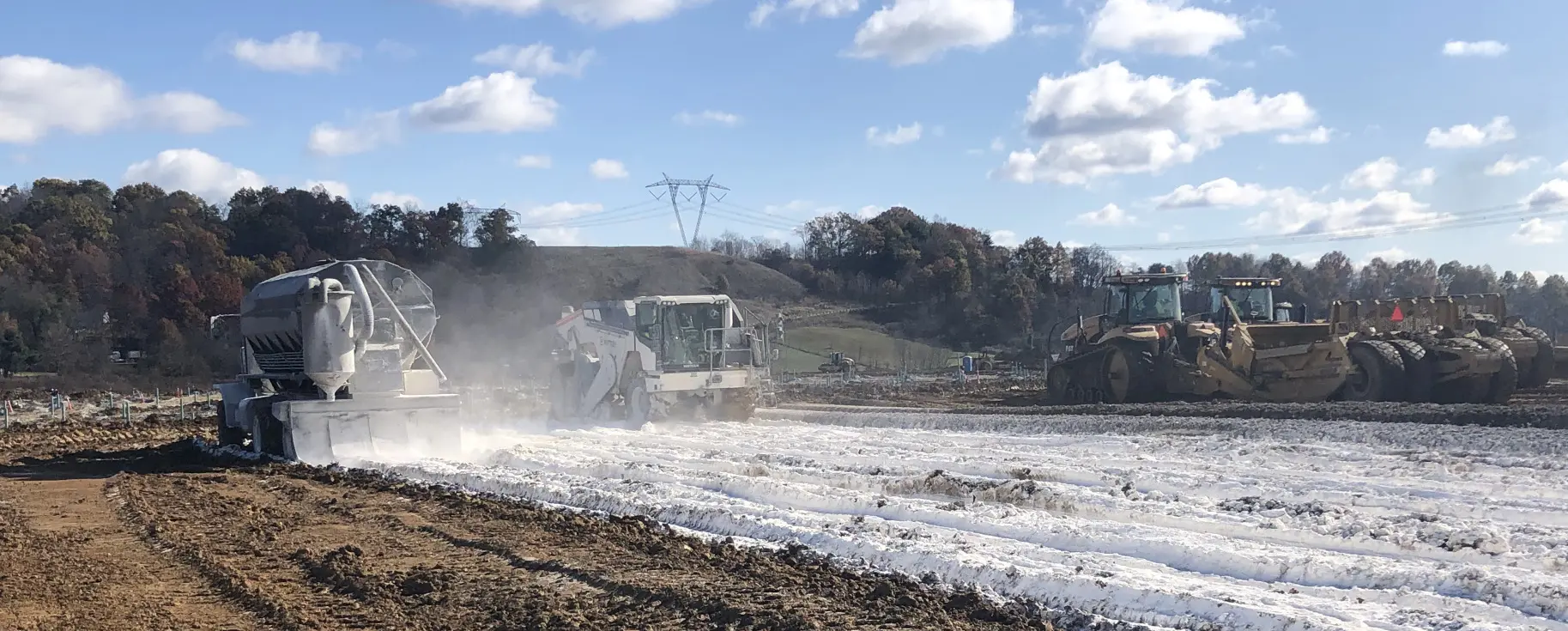
Rethinking Lime Stabilization Timing with Modern Practice
In soil stabilization and modification work, the term “mellow period” is frequently referenced and often misunderstood. It is regularly treated as a rigid, time-based requirement rather than a construction control tool that should be adapted to material type, moisture condition, project intent, equipment capability, and contractor experience. This perception has contributed to the belief that lime-treated soils slow construction schedules, particularly when specifications require blanket mellowing periods of 24 hours or more.
In reality, the mellow period is more flexible than many legacy practices suggest. With modern equipment and materials, such as Mintek’s Construction Quicklime (CQL), lime treatment can be performed efficiently and predictably when hydration, mixing uniformity, and moisture are properly controlled. Key to this flexibility is a clear understanding of the materials being used, the purpose of the treatment, and the practical meaning of the term “mellow period” in today’s construction environment.
To better understand where these assumptions come from, it helps to first define what a mellow period is, and what it is not.
Get back to work with less downtime.
What Is a Mellow Period in Lime-Treated Soils?
A mellow period is the interval between initial mixing of lime or lime-based materials into soil and final compaction of the treated material. During this period, quicklime hydrates where present, moisture redistributes, and lime-based materials begin interacting with the soil. These changes influence plasticity, moisture condition, shrink-swell behavior, and overall workability.
Importantly, this phase is not intended to produce the material’s full long-term strength potential. Strength development continues after compaction during the curing period. The mellow period instead helps prepare the soil for more consistent remixing, compaction, and long-term performance.
When properly aligned with project goals, material behavior, and field conditions, mellowing can be brief. In some cases, it may be reduced or eliminated without compromising the technical intent of the treatment.
To understand when and why a mellow period is needed, it is important to first define what “lime” means in the context of soil treatment.
What Do We Mean by “Lime”?
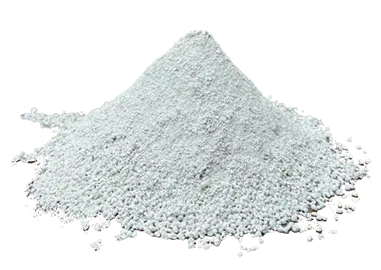
In soil treatment, the term lime broadly includes several calcium-based materials, including:
- Quicklime
- Hydrated lime
- Lime kiln dust (LKD)
- Engineered lime-based products such as Calciment™ materials
While these materials share a lime-manufacturing origin or lime-derived chemistry, they can differ in physical form, available calcium content, reactivity, and pozzolanic contribution. Those differences affect how they are stored, transported, spread, hydrated, mixed, and compacted in the field – and whether a traditional mellow period is needed. As a result, lime-based materials should not be treated as interchangeable during project evaluation.
Hydrated lime, or calcium hydroxide, is the chemically active form used for soil modification and stabilization and may be supplied directly without the need for in-soil hydration. Quicklime, by contrast, hydrates in the soil when water is present, producing calcium hydroxide as part of the construction process. Calciment LKD and Calciment blends behave differently as well, combining calcium-based chemistry with material-specific physical and pozzolanic characteristics.
Agricultural lime (ag lime) is a different material altogether. Consisting primarily of finely ground limestone (calcium carbonate), it is intended for long-term pH adjustment in agricultural soils and does not provide the rapid chemical reactivity required for soil modification or stabilization.
With these distinctions in mind, the next step is understanding what actually occurs within the soil during the mellow period.
What Happens During the Mellow Period?
Although often described as a “chemical waiting period,” mellowing involves a combination of chemical and physical processes. Where quicklime is used, the hydration of calcium oxide (CaO) to calcium hydroxide (Ca(OH)2) consumes water, generates heat, and creates the highly alkaline conditions needed for soil-lime reactions to begin. The resulting increase in pH and availability of calcium ions create conditions for change, while physical transformations in the soil fabric drive many of the short-term construction benefits.
These early processes include cation exchange on clay surfaces, as well as clay particle flocculation and agglomeration. Together, they reduce electrostatic repulsion between particles and allow the soil structure to reorganize. The result is a soil that is less plastic, more friable, more workable, and more responsive to compactive effort, allowing construction operations to proceed while longer-term strength development continues after compaction.
Determining whether sufficient hydration and processing have occurred is not based on time alone. Field indicators often provide a better measure of readiness, including:
- Uniform color throughout the treated layer
- Consistent soil texture
- Adequate moisture condition
- The ability of the material to break down into smaller aggregates during remixing or compaction
Many agencies already incorporate these ideas through pulverization and clod-size requirements. When those criteria are met, they indicate that lime has been uniformly distributed, soil clods have been adequately broken down, and early soil-lime interactions have progressed throughout the treated layer. Viewed this way, pulverization standards are not just administrative requirements. They are practical field indicators that the treatment has been adequately processed for compaction.
How quickly these processes occur, and whether extended mellowing is necessary, depends heavily on the material being used.
Quicklime: Hydration-Driven Behavior
Quicklime reacts chemically with water to form calcium hydroxide in an exothermic hydration reaction. This reaction consumes moisture, generates heat, and releases calcium ions that initiate clay modification and support stabilization reactions.
For quicklime-treated soils, the primary purpose of mellowing, when necessary, is to ensure sufficient hydration prior to final compaction. With proper moisture control, uniform application, and modern mixing equipment, this hydration can often be achieved in a matter of hours. Once hydration, moisture condition, and pulverization requirements are achieved, extended mellowing often provides little additional benefit for stabilization-focused projects.
In most modern construction applications, mellow period considerations relate to quicklime fines, which hydrate more rapidly and distribute effectively through calibrated spreader trucks. CQL is engineered within this fines category, with a finer, more uniform particle size and increased surface area that promote faster, more consistent hydration and improved mixing efficiency.
With modern spreading and reclaiming equipment, adequate moisture, and proper field controls, CQL is designed to support drying, modification, and stabilization with a mellow period of four hours or less. Compared to conventional quicklime practices that may require longer mellowing, secondary mixing, or additional coordination prior to compaction, this can help improve construction efficiency and schedule predictability.
Not all lime-based materials behave this way.
Calciment® LKD: Different Material, Different Expectations
Calciment® LKD is a co-product of the lime manufacturing process and is positioned differently from quicklime.
It contains calcium-based chemistry and pozzolanic components, but it does not rely on the same high-free-CaO hydration behavior as quicklime. Its finer physical form and reduced quicklime-style hydration intensity change how it interacts with moisture and soil in the field.
Due to these characteristics, Calciment® LKD typically does not require a traditional quicklime hydration mellow period. When properly mixed at the target moisture condition and accepted field criteria are met, Calciment® LKD-treated soils can often be compacted without the same delay associated with conventional quicklime treatment.
This distinction is important. Calciment® LKD is not simply a lower-cost substitute for quicklime. It offers a different balance of:
- Moisture interaction
- Available calcium
- Pozzolanic contribution
- Material logistics
- Constructability
For the right soils and project objectives, these characteristics can provide meaningful schedule and cost advantages.
Hydrated Lime: Pre-Hydrated Chemistry
Hydrated lime, or calcium hydroxide, is the chemically active form used for soil modification and stabilization. Because hydration occurs before delivery to the jobsite, it eliminates the need for in-soil quicklime hydration.
This can simplify some aspects of construction, but it also changes the material’s handling and logistics. Compared to quicklime, hydrated lime often has:
- Higher delivered cost
- Lower bulk density
- Dustier handling characteristics
- Greater storage and transportation requirements
Availability may also vary by region based on lime plant configuration and competing industrial demand.
For these reasons, many stabilization projects use quicklime and allow hydration to occur within the soil, achieving the same end chemistry while often providing greater logistical flexibility and construction efficiency.
Why These Differences Matter for Mellowing
Because lime-based materials differ in hydration rate, calcium availability, pozzolanic contribution, and moisture interaction, they should not be treated the same in the field. A mellow period that may be appropriate for conventional quicklime may not be necessary for Calciment® LKD. Likewise, specifications developed around older spreading and mixing practices may not reflect what can be achieved with construction quicklime and modern reclaiming equipment. A material selected primarily for drying may also require a different approach than one selected for long-term stabilization.
That is why mellowing should be evaluated as a construction tool – not a fixed rule. The question is not simply:
“How long do we wait?”
The better question is:
“What does this material need to achieve before compaction, and have those conditions been met?”
Project Intent Matters: Stabilization vs. Modification
One of the most important factors in determining whether a mellow period is necessary, and how long it should last, is the intent of the treatment. Stabilization and modification are related but distinct objectives, and they should not be approached the same way with respect to mellowing.
Stabilization: Hydration and Uniformity Control the Timing
For stabilization projects, the objective is long-term strength and durability. When quicklime is used, the critical requirements before compaction are:
- Complete hydration
- Uniform lime distribution
- Adequate moisture content
- Proper pulverization of the treated layer
With modern construction equipment, proper moisture control, and purpose-graded quicklime such as CQL, this hydration can often be achieved within four hours or less. Once the material has been properly mixed, moisture-conditioned, hydrated, and processed to meet project criteria, compaction can proceed efficiently without extended waiting periods. The key consideration is not elapsed time, but whether the purpose of the mellow period has been achieved.
Proper hydration is also important for performance. If quicklime is not fully hydrated prior to compaction, most often due to insufficient moisture, poor mixing, or localized over-application, delayed hydration can occur after placement. In isolated cases, this may result in minor volumetric expansion as remaining calcium oxide reacts with water. Modern spreading, mixing, and moisture-control practices help minimize this risk by promoting uniform hydration during construction.
Modification: Plasticity Reduction and Soil Workability
For modification projects, the primary objective is often to reduce plasticity and improve soil workability rather than maximize long-term strength.
Benefits may include:
- Reduced plasticity
- Improved friability
- Easier pulverization
- Improved response to compaction
For many soils, these changes occur quickly once lime is uniformly introduced, and the treated layer is properly moisture-conditioned and mixed. Extended mellowing beyond this initial period often provides limited incremental benefit once the soil has achieved the desired workability and pulverization. Higher-plasticity clays, difficult pulverization conditions, or project-specific PI reduction targets may still justify longer mellowing or additional mixing, but those decisions should be tied to field behavior and performance criteria rather than default waiting periods.
The Role of Modern Equipment in Redefining Mellowing
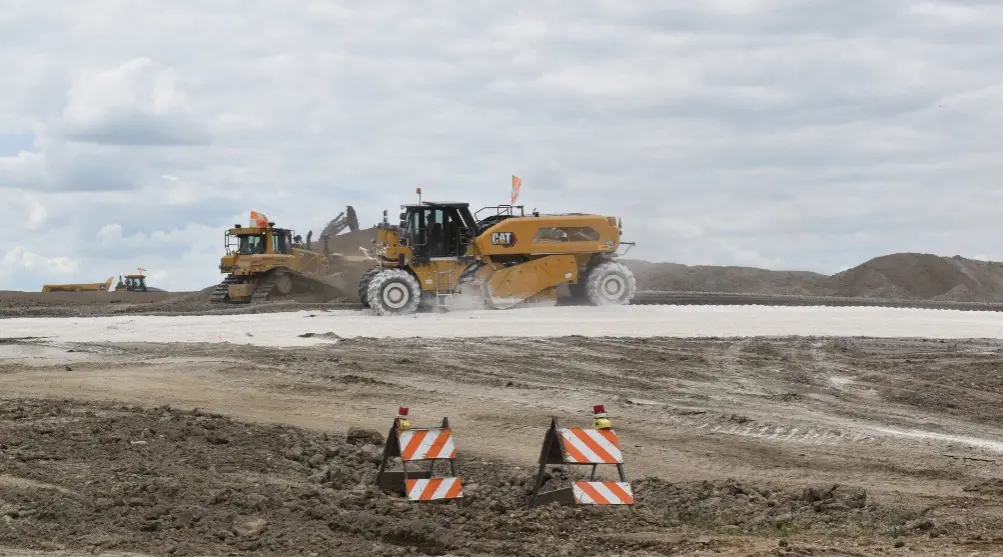
In addition to material behavior and project intent, advancements in construction equipment have changed what is achievable in the field.
Modern calibrated spreader trucks provide more uniform lime placement than historical methods that relied on motor graders to blade lime across the surface. Uneven placement could create over-dosed pockets and under-treated zones, increasing the need for extended mellowing to compensate for inconsistent distribution.
Modern high-horsepower reclaimers also deliver full-depth pulverization and more effective blending of lime, soil, and moisture than older disc harrows or less aggressive mixing methods. Better mixing improves contact between the lime-based material and the soil, accelerates hydration where quicklime is present, and helps contractors achieve the uniformity needed for compaction and performance.
These improvements do not eliminate the need for judgment, but they do change the conversation. Many mellow period requirements were developed around construction methods that are less controlled than what experienced contractors can achieve today.
From Time-Based Requirements to Performance-Based Mellowing
Extended mellow period requirements often originated as a way to compensate for inconsistent mixing, uneven moisture distribution, and limited equipment capability. In many cases, those conditions no longer reflect modern lime treatment practices.
Today, mellow periods are increasingly evaluated based on performance rather than elapsed time. When proper hydration, mixing, moisture conditioning, and pulverization are achieved, extended waiting may provide little additional technical benefit and can unnecessarily delay construction.
The same principle applies to split application requirements that appear in some legacy specifications. For routine non-sulfate soils treated with calibrated spreaders, modern reclaimers, and controlled moisture application, applying the full design dosage up front often allows hydration, cation exchange, soil restructuring, and stabilization reactions to begin immediately and uniformly. In those cases, split dosing may reflect past equipment limitations more than a chemical requirement.
That does not mean mellowing should be shortened on every project. Extended mellowing, additional mixing, staged treatment, or engineer approval may still be appropriate when dealing with:
- Highly plastic clays
- Difficult pulverization conditions
- Elevated sulfate levels
- Unusual moisture conditions
- Project specifications that require defined waiting periods
The goal is not to eliminate mellowing, but to apply it where it adds value rather than treating it as an automatic delay.
For contractors, engineers, and owners, this creates an opportunity to evaluate specifications through the lens of today’s materials, equipment, and field practices. When the desired performance can be achieved with CQL, Calciment® LKD, modern reclaimers, and proper process control, project teams may be able to reduce unnecessary waiting while still meeting the technical intent of the work.
Experience Matters: Working with Mintek Resources
Mintek Resources works with contractors, engineers, and owners who recognize that mellowing is a construction tool – not a fixed rule. The right approach depends on the material being used, soil conditions, project objectives, available equipment, and performance requirements.
With CQL, Calciment® LKD, and other lime-based solutions, Mintek helps project teams evaluate the practical differences between materials and match the treatment approach to the conditions in the field. That includes understanding when a mellow period is needed, when it can be shortened, and when a traditional quicklime mellow period may not apply.
When the right material is paired with proper mixing, moisture control, and experienced field execution, lime treatment can support both performance and construction efficiency. Applied correctly, lime stabilization is not a barrier to progress – it is a tool that helps keep projects moving.
We're here to help you find the best solution for your next project. Let's get started. Give me a call at 937-641-9901.

Krystan Minor
Mintek Resources
Related Posts
How Mintek’s Soils Lab Supports Smarter Geotechnical Decisions
Every successful construction project starts with understanding the ground beneath it. Whether it is a roadway, industrial development, commercial site, or large-scale soil stabilization project, existing soil conditions can significantly affect cost, schedule,...
How to Write Effective Soil Treatment Language in Geotechnical Reports
Clear soil treatment language is critical to turning geotechnical recommendations into successful construction outcomes. Even well-prepared geotechnical reports can end up with soil treatment language that is misinterpreted or not implemented as originally intended....
5 Keys to Successful Soil Stabilization
Creating a solid foundation for construction projects depends on proper soil stabilization. While every job site presents unique challenges, successful stabilization is consistently achieved when teams follow proven best practices backed by testing, planning, and...