Creating a solid foundation for construction projects depends on proper soil stabilization. While every job site presents unique challenges, successful stabilization is consistently achieved when teams follow proven best practices backed by testing, planning, and...
Building Big Starts Below Ground: Soil Strategies for Mega Projects
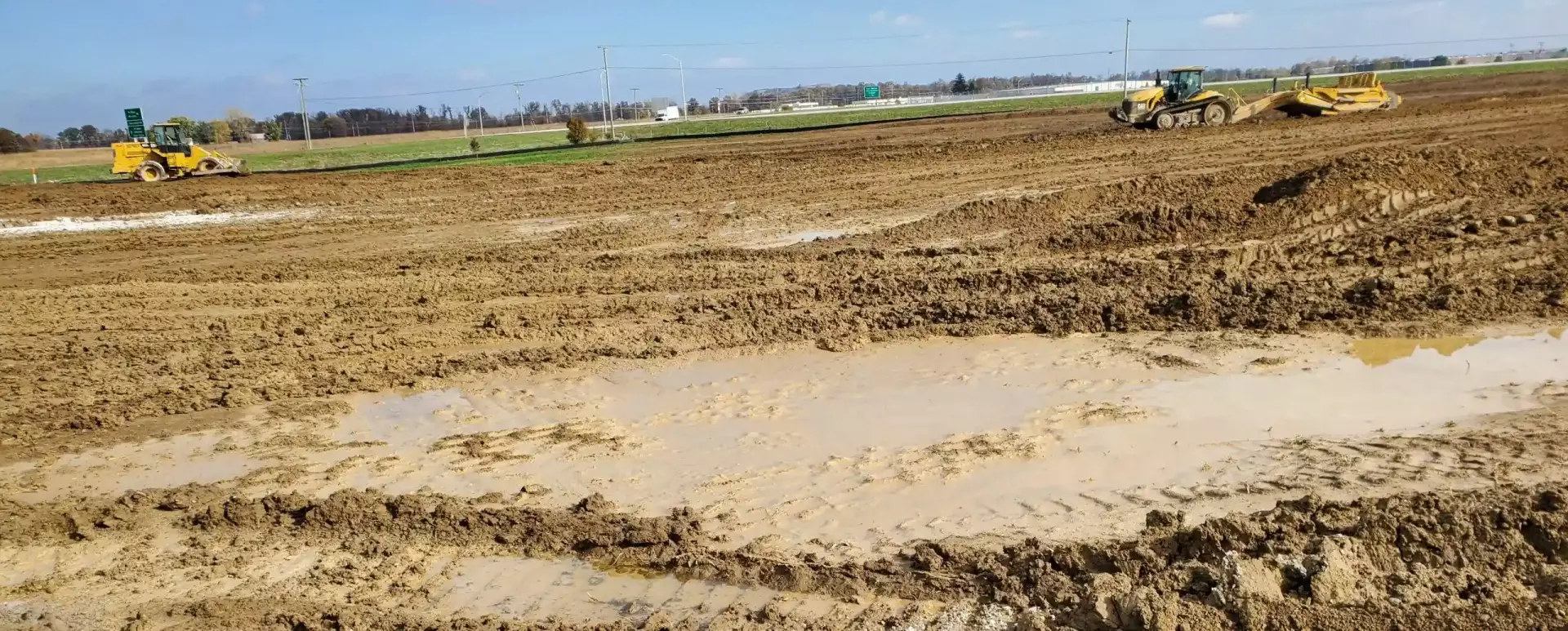
Mega construction projects come with unique soil challenges that can derail schedules and inflate budgets if not addressed early. Managing soil variability across hundreds of acres while achieving the bearing capacity required for massive structures demands a...
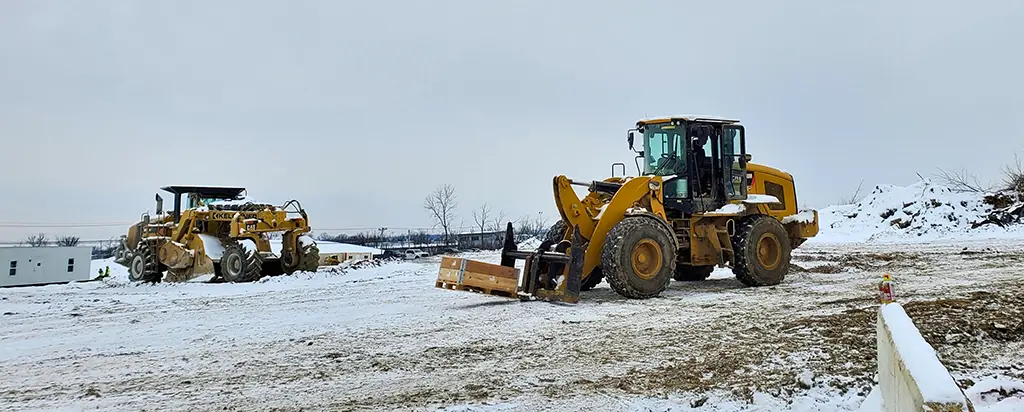
Cold Weather Liming for Construction Sites: Everything That You Need to Know
Winter construction doesn't have to mean costly shutdowns. Cold weather liming for construction sites leverages the exothermic reaction of lime-based products to dry, modify, and stabilize soils even in freezing conditions. This comprehensive guide covers the science...
Tariffs Disrupt Construction: Lime Keeps Projects Moving
Tariffs are reshaping the construction landscape. From cement and steel to aluminum and other essential materials, shifting trade policies are creating ripple effects across the industry. Even when prices hold steady, the uncertainty around future costs and sourcing...
Soil Compaction: Methods, Meaning, and Effects
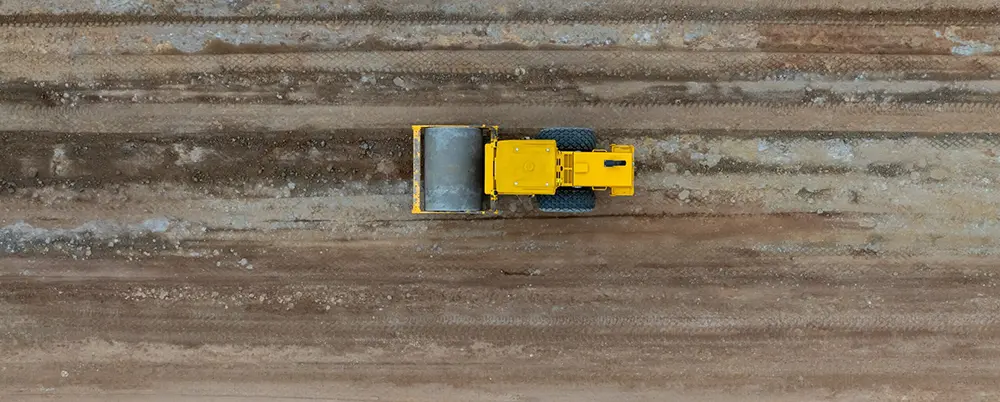
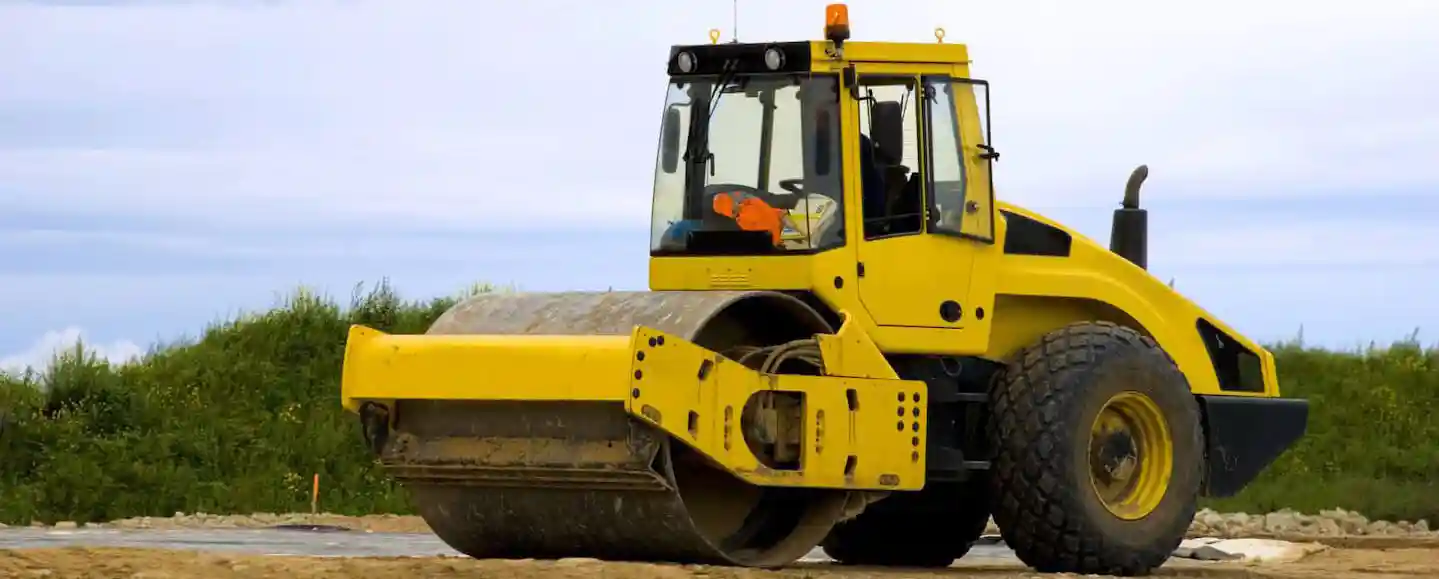
What is Soil Compaction? Soil compaction is the practice of applying mechanical compactive effort to densify a soil by reducing the void space between soil particles. Compaction occurs when particles are pressed together to reduce the space between them. Highly...
Sludge Drying Overview
What are Some Common Difficulties Associated with Sludges? The term “sludge” generally refers to the residuals that remain after industrial and commercial processes, such as the treatment of biosolids, drinking water, and wastewater. In addition to potential...
Soil Compaction Test for Construction
What Is Soil Compaction Testing? Soil compaction testing for construction determines if adequate mechanic stress was applied at the appropriate water content to achieve maximum density. Assuming fixed compaction effort, the only variable the contractor can control is...
How To: Applying Lime or Calciment LKD on a Jobsite
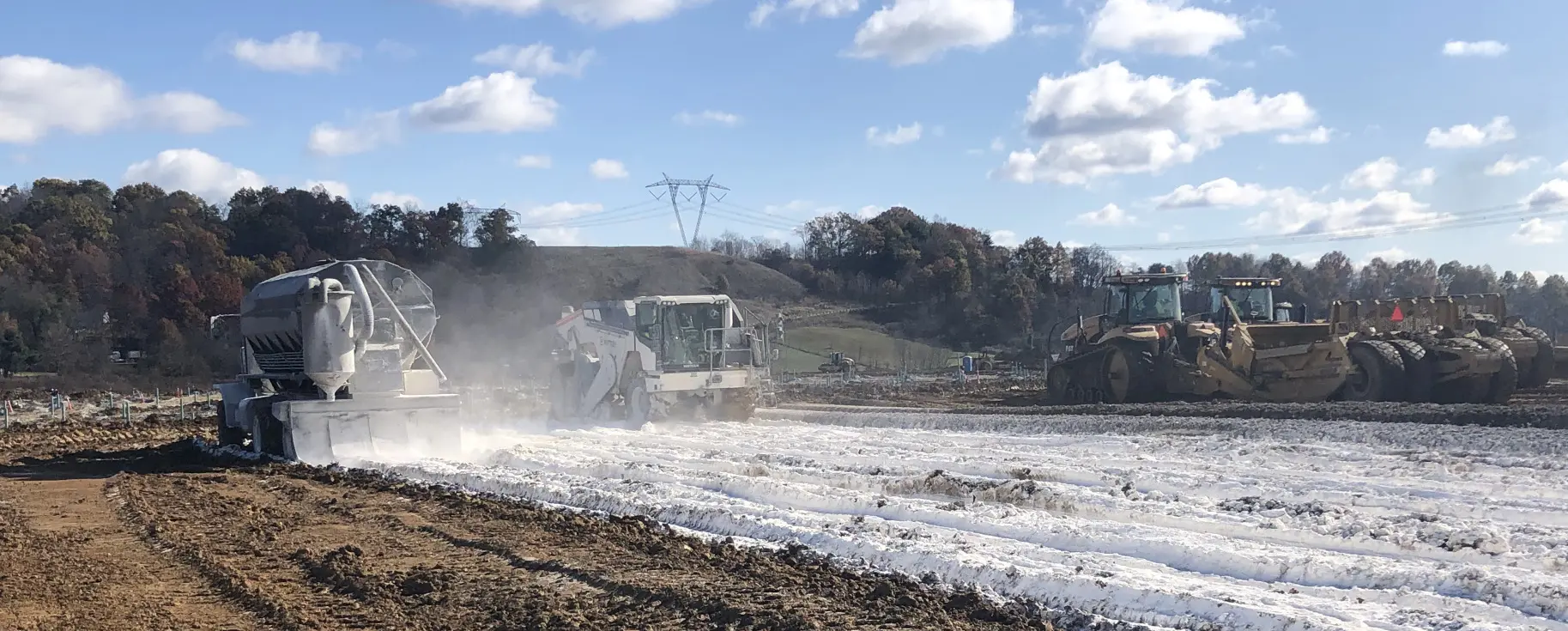
Interested in learning more about the most common ways lime or Calciment LKD are applied on a jobsite? Below, we walk step-by-step through the process.Get back to work with less downtime Get a QuoteTransportation and Application Most commonly, lime and Calciment LKD...
What are Dredge Spoils?
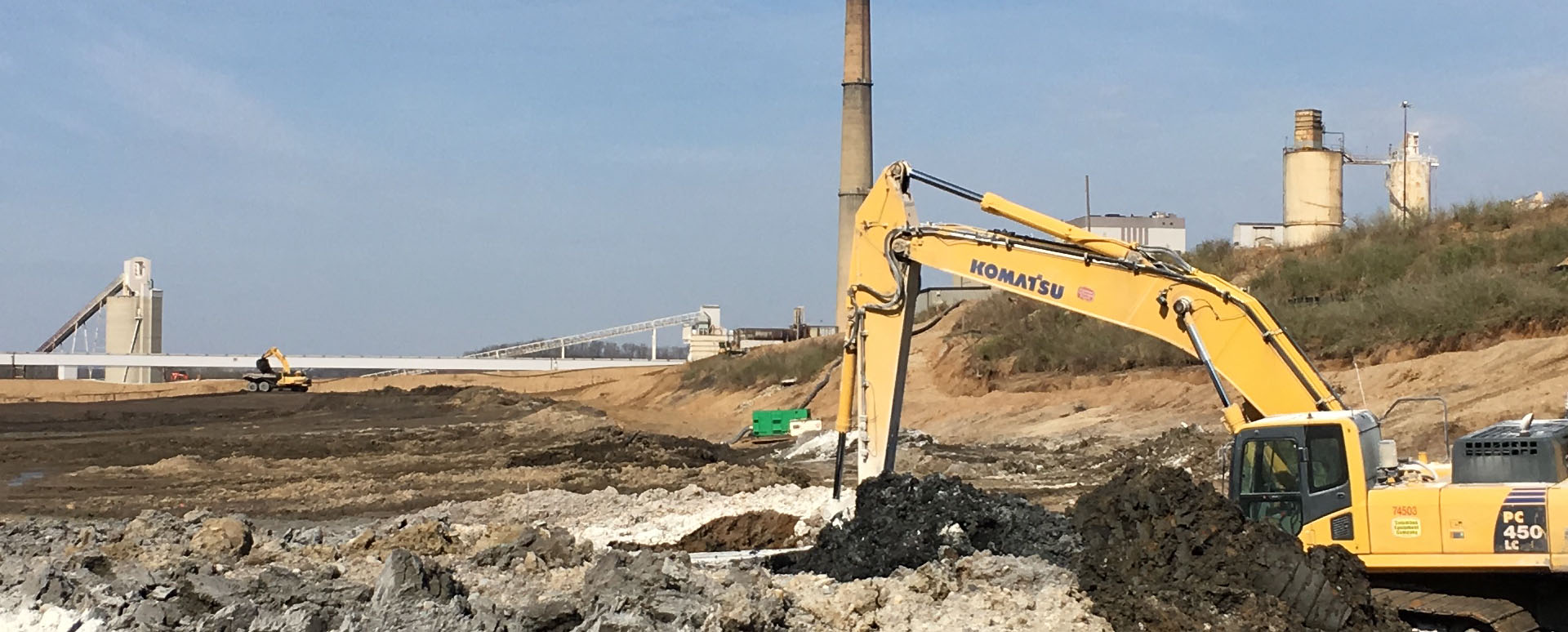
What are Dredge Spoils? Dredge spoils are the sand, soil, silt and other organic matter that accumulates on the bottom of a body of water and are removed during dredging. Urban development, farming, natural disasters, tidal influence and other factors contribute to...
What is Soil Remediation?
What is Soil Remediation? Soil remediation is the application of proven technologies to mitigate and manage risks from contaminated soils that could be harmful to human health and the environment. Contaminated soil is often the result of historical industrial...